
Short answer
To reply to a local buyer without sounding automated, read the whole thread, confirm the request is still open and vendor replies are allowed, then answer the buyer's stated constraint with a fact you have verified. Say who you are, offer one small next step and remove anything that could sit under any other request.
Let BuyerSpotter watch your groups and searches for you. 5-day trial, no card needed.
Add to ChromeKey takeaways
- Check that the request is open and that the community permits a vendor response before writing.
- Give each sentence a job: acknowledge the work, address the constraint, offer a small next step.
- If a detail that decides fit is unclear, ask one useful question instead of writing a company introduction.
- On Nextdoor, promoting your own business, including replying to a recommendation request, requires a Business account.
- BuyerSpotter is read-only; it never posts or messages, so every reply is written and sent by you.
Decide whether a response belongs here
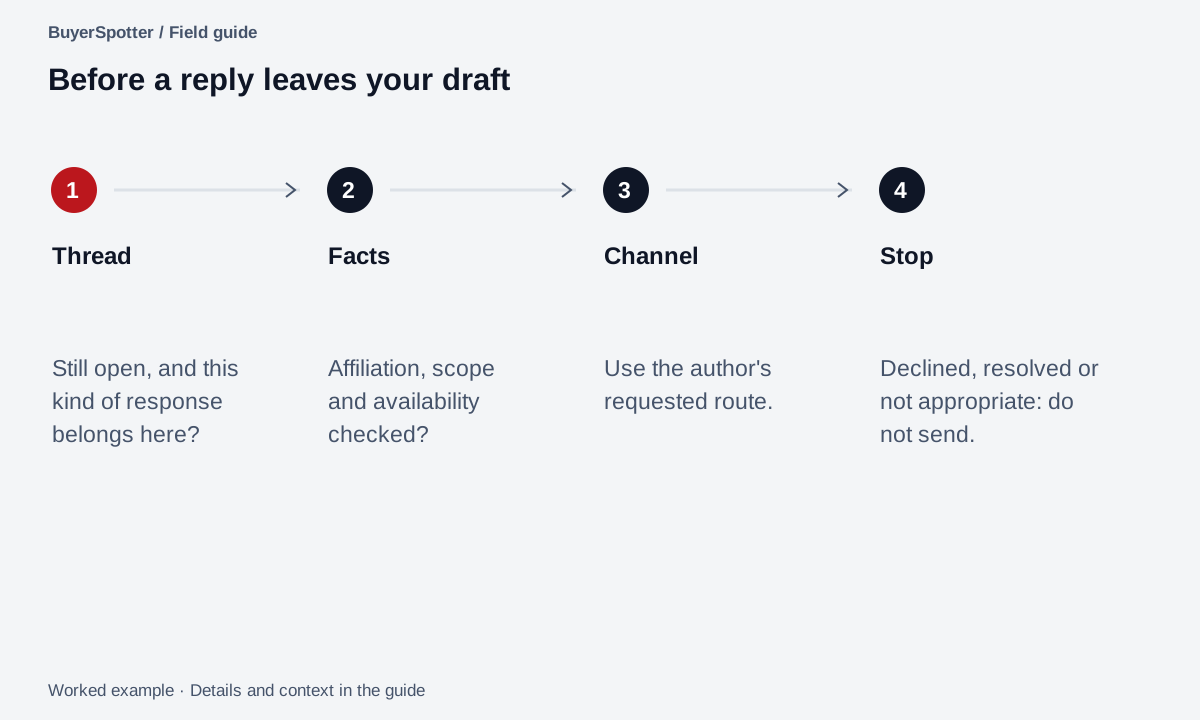
Before writing, read the post and current replies. Check whether the request is still open and whether the community permits a vendor response. Relevance does not override a request for recommendations from past customers only.
Choose the detail that determines fit: location, availability, industry, property type, or the work involved. If that detail is unclear, ask one useful question rather than writing a company introduction.
If fit is still unclear, use the opportunity checklist before drafting. If the issue is how to interpret a vague request, read the recommendation-request guide.
Rewrite the reply for the actual obstacle
These are fictional writing examples, not customer messages or claims about your availability. Replace any business facts with details you have verified, and use the account and channel the source permits.
Swipe sideways for more columns, if needed.
| Situation | Weak draft | More useful structure |
|---|---|---|
| A deadline matters | "We provide a full range of accounting services. Book a consultation." | "I run [business]. For the two-month cleanup you described, I would first check whether the sales records and bank statements are ready. I can assess scope before confirming whether your deadline is realistic." |
| Scope is unclear | "We can definitely help with payroll." | "Are you looking for software, someone to set it up, or an ongoing payroll service? I provide [verified scope], so that distinction would help me avoid pointing you in the wrong direction." |
| You cannot meet the timing | "Send me a message and we will work something out." | "I run [business], but I cannot take a job this afternoon. I would not want you to wait on us when you need help today." Add a referral only if it is appropriate and accurately described. |
The first draft earns attention by answering the constraint. The second asks one question that changes fit. The third avoids winning a conversation with a promise the business cannot keep. None needs a invented result, a long company introduction or an unsupported superlative.
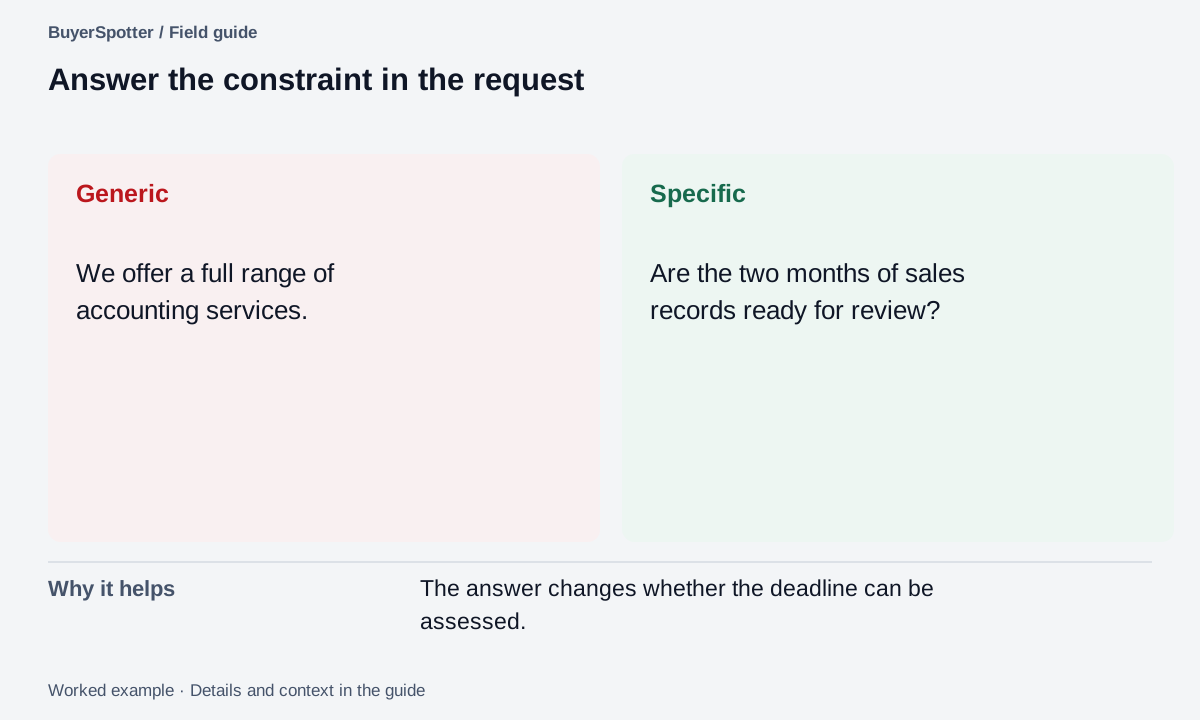
Read the example as text
- Generic
- We offer a full range of accounting services.
- Specific
- Are the two months of sales records ready for review?
- Why it helps
- The answer changes whether the deadline can be assessed.

Give each sentence a job
A useful response acknowledges the work, addresses the buyer's constraint, and offers a manageable next step. Include your connection to the business. Add a relevant proof point only when you can substantiate it.
Avoid promising availability from an old calendar or using a past project that does not match the buyer's situation. You can be specific without sharing another customer's private information.
Work from the actual request
Example
Buyer post: "Can anyone recommend a bookkeeper familiar with small retailers? I need help cleaning up two months before month-end."
A generic offer lists accounting packages and asks for a call. A relevant draft starts with the cleanup work and retail context: "I run [business] and handle [verified relevant work]. For the deadline you mentioned, I would first check [records needed]. If useful, I can explain what to gather before you choose a provider."
Replace every bracket before posting. If you cannot substantiate a claim, remove it. This is a writing structure, not a statement about your business.
Build a response in two passes
First write a factual skeleton using only the request and facts you have checked. Then remove anything the buyer does not need to decide what to do next. This is an editorial drafting exercise, not a proven conversion formula.
Example
For the retail bookkeeping request, the skeleton is: retail cleanup, two months of records, month-end deadline, relevant experience, and records needed to assess the work. The useful question might be whether bank statements and sales records are available. A paragraph about every accounting service the firm sells does not help answer that question.
Before sending, read the reply without the company name. If it could sit under almost any request, replace a general claim with the buyer's actual constraint. Check availability again if the draft has waited. When the thread asks for independent recommendations, use the review to decide that a vendor reply does not belong there.
Copy a response planning template
What they asked: [one specific detail]
Can we meet the constraint? [verified answer]
Our connection: [business and role]
Useful information we can offer: [detail or question]
Relevant proof we can substantiate: [optional]
Next step they can choose: [small and appropriate]
Remove before sending: [unverified claims or irrelevant pitch]
Use templates as prompts, not automatic replies
Keep reusable facts such as service areas and preparation requirements, then check them for each request. A complete response pasted into unrelated threads can look inattentive even when every sentence is true.
BuyerSpotter does not post or message on your behalf. You decide whether to respond in the original source. If the person declines or does not invite further contact, respect that choice.
If the request came from a group, the guide on qualifying recommendation requests helps you decide whether to reply at all.
Sources and method
For requests on Nextdoor, its official self-promotion guidance, reviewed 6 September 2026, requires a Business account when promoting your own service, including replies to recommendation requests. Personal accounts may not post promotional comments or send unsolicited promotional direct messages.
That is a Nextdoor-specific rule; check the rules of the actual source you use. The writing exercise and response framework here are editorial guidance, not a measured promise of conversion.
Frequently asked questions
How do I respond to a recommendation request for my own business?
Disclose your connection, answer the specific need in the post and offer a simple next step the buyer can choose. Check the group or platform rules first.
Can I reuse the same reply template for every post?
Keep reusable facts such as service area, but rewrite the reply for each request. A pasted response that ignores the buyer's constraint looks inattentive even when it is accurate.
Should I send a private message instead of replying in the thread?
Only if the author invites it and the source rules allow it. A public request is not permission for unsolicited direct messages.
How can I tell if my reply sounds generic?
Read it without your company name. If it could sit under almost any request, replace a general claim with the buyer's actual deadline, location or scope.
Examples, sources and image method
Original worked examples and worksheets by BuyerSpotter. Requests and sample datasets are fictional. References are linked where used.